Botanical Gardens of Czech Republic: Complete Regional Overview
From Prague's renowned botanical collections to the hidden gardens scattered across Olomouc and beyond. We've mapped out the best botanical gardens in the Czech Republic with locations, seasonal highlights, and practical visiting information for each destination.
Why Czech Botanical Gardens Matter
The Czech Republic's botanical gardens aren't just collections of pretty plants. They're living repositories of horticultural knowledge, conservation efforts, and cultural heritage. Whether you're a serious plant enthusiast or just looking for a peaceful afternoon walk, these gardens offer something real and substantial.
What we've found: the best botanical gardens here are working institutions. They're actively involved in plant research, species preservation, and environmental education. You'll see labeled specimens, seasonal exhibitions, and sometimes you'll run into actual botanists doing their work. It's not just landscaping—it's science on display.
Quick fact: The Czech Republic hosts over 15 significant botanical gardens, with the largest collections concentrated in Prague, Brno, and Olomouc. Most operate year-round with distinct seasonal displays.
01
Prague Botanical Garden: The Heart of Czech Horticulture
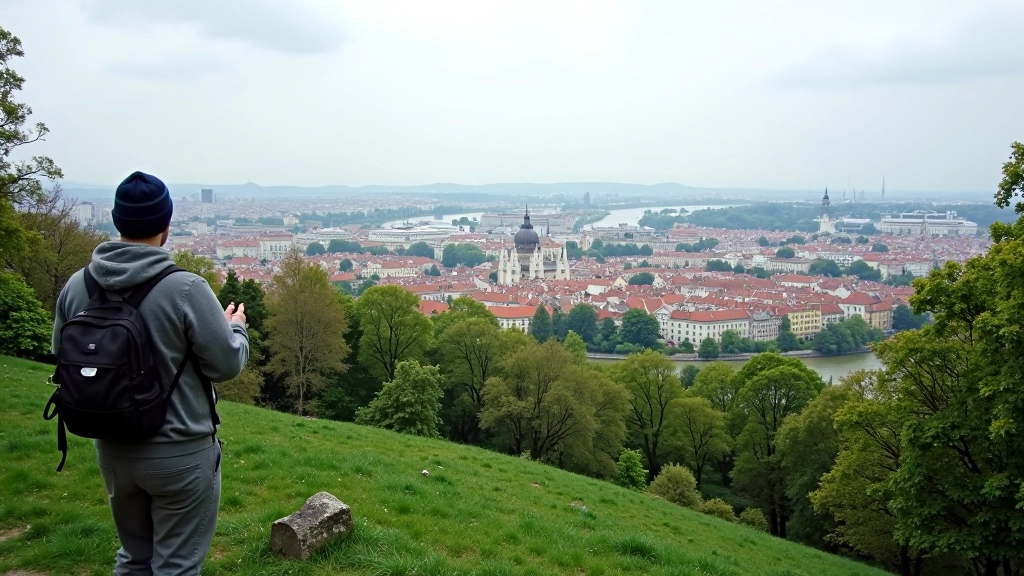
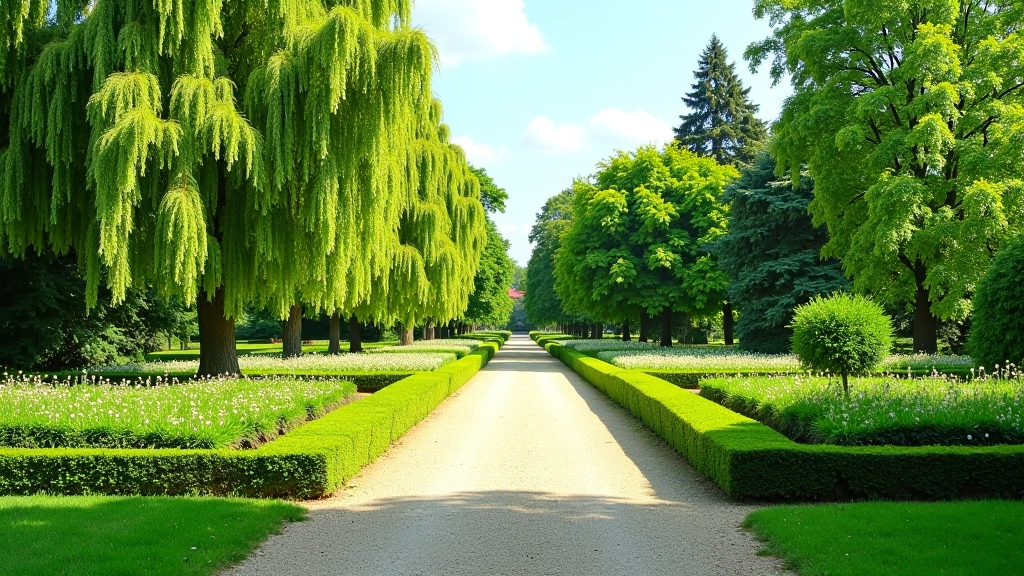
The Prague Botanical Garden sits on Petřín Hill and spans over 2.4 hectares of curated collections. It's one of Central Europe's oldest botanical institutions, established in 1898. You're not walking through a park here—you're moving through distinct plant communities organized by origin and purpose.
The garden's organized into thematic sections: a Mediterranean area with agave and citrus specimens, an East Asian pavilion housing rare temperate forest plants, and extensive collections of European alpine flora. The greenhouse complex alone contains over 2,000 tropical and subtropical species. What makes it different from typical tourist spots is the serious botanical labeling—every plant has identification information in Czech and Latin.
Best seasons? Spring brings peak flowering from March through May. Summer (June-August) is crowded but the tropical greenhouses are always worth the visit. Fall offers excellent light and manageable crowds. Winter's quieter, though most outdoor areas are less impressive.
- Open daily 9 AM to 6 PM (April-October), reduced hours in winter
- Entrance fee: reasonable for a city institution
- Accessible by tram to Ujezd station, then cable car up the hill
- Expect 2-3 hours for a thorough visit
02
Brno and Olomouc: Botanical Collections Beyond Prague
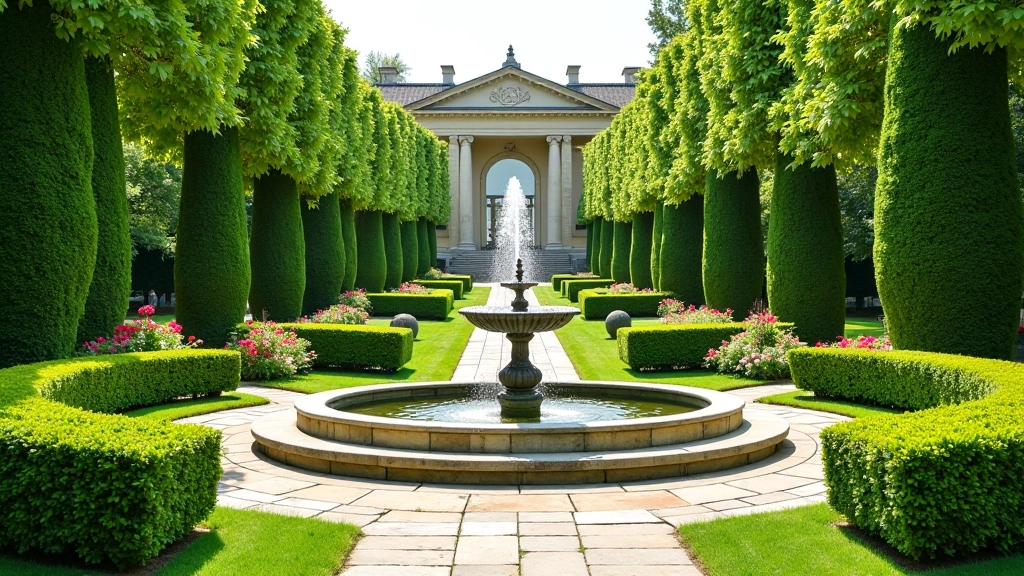
If you think all Czech botanical gardens are in Prague, you're missing significant collections in Moravia. Brno's Mendeleum Botanical Garden focuses on genetic plant research—fitting given Gregor Mendel's legacy in the region. The garden emphasizes plant genetics and heredity, with organized displays showing plant variation and adaptation.
Olomouc's botanical garden is smaller and more intimate than Prague's, but that's actually an advantage. You'll see fewer tourists and more serious plant enthusiasts. The collection emphasizes Central European flora and medicinal plants. The garden maintains a working herbarium—if you're interested in plant identification, staff are often available for consultation.
Don't overlook the regional university botanical gardens either. They're less polished than major city institutions but often have specialized collections. The Palacký University garden in Olomouc includes a comprehensive alpine section and extensive conifer collections you won't find elsewhere.
Travel tip: Both cities are accessible by train from Prague (2-3 hours). You could visit a botanical garden as part of a larger Moravia trip without treating it as a day-trip destination.
03
Seasonal Visiting Guide: What to Expect Year-Round
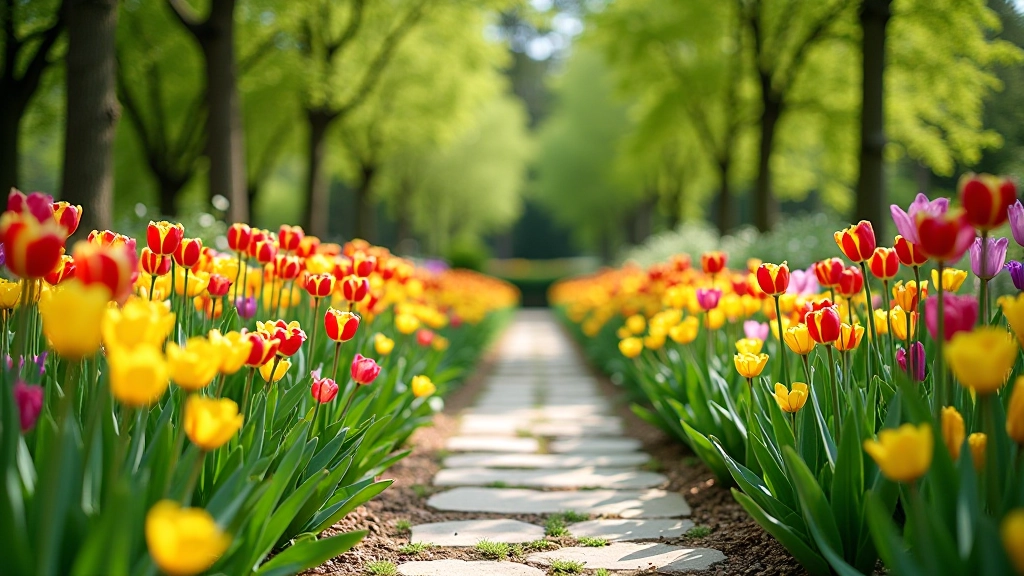
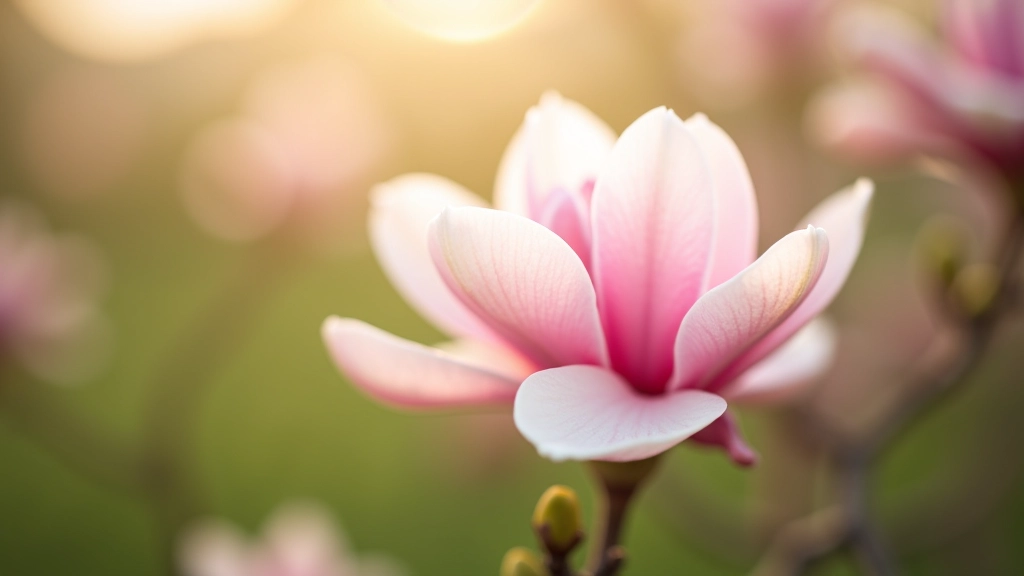
Each season offers genuinely different experiences. Spring (March-May) brings peak flowering—magnolias, cherry blossoms, and spring bulbs. Most gardens have organized spring exhibitions. You'll need to book ahead if visiting Prague's main garden on weekends.
Summer is busy but worthwhile. Tropical greenhouses are actually more comfortable during cooler mornings. July and August see peak tourist traffic, so arrive early. Most gardens extend evening hours during summer months.
Autumn (September-October) offers the best combination: excellent light, manageable crowds, and dramatic seasonal colors. The foliage collections really shine. Temperature's perfect for walking without exhaustion.
Winter's quiet but limited outdoors. Greenhouse sections become primary attractions. Some gardens close outdoor areas during heavy frost or snow. Check ahead if planning a winter visit.
Spring (Mar-May)
Peak flowering, crowded weekends, peak beauty. Ideal for photography.
Summer (Jun-Aug)
Tropical displays, extended hours, high tourist traffic. Visit early morning.
Autumn (Sep-Oct)
Best light, moderate crowds, dramatic colors. Most comfortable visiting conditions.
Winter (Nov-Feb)
Quiet grounds, limited outdoor displays, greenhouses central. Check hours before visiting.
04
Practical Information and Planning
Most Czech botanical gardens are accessible by public transport. Prague's garden is served by tram and cable car. Brno and Olomouc gardens have nearby tram or bus connections. None require a car to visit, which is good news for urban travelers.
Admission costs vary but remain affordable. Prague's main garden costs around 200 CZK (roughly €8). Regional gardens are cheaper, often 50-100 CZK. Student and senior discounts are standard. Many gardens offer free entry on specific cultural days—check websites ahead of time.
Plan for different visit lengths. A quick overview takes 90 minutes. A thorough visit including greenhouses requires 3-4 hours. Serious botanists spend entire days. Most gardens have cafés or seating areas, so you're not committed to continuous walking.
Bring a field guide if you're into plant identification. Gardens provide labels but having additional resources helps. Comfortable walking shoes matter—gardens aren't flat parks. Many include hills and uneven surfaces.
Disclaimer
This guide provides educational information about botanical gardens in the Czech Republic based on publicly available information and general knowledge about these institutions. Specific hours, admission prices, and seasonal displays may change without notice. We recommend visiting official garden websites or contacting them directly before planning your visit to confirm current operating information, admission fees, and any special exhibitions. Garden policies regarding photography, accessibility, and facility amenities may vary and should be verified directly with each institution.

Explore More Czech Parks and Trails